


Tel: (+267) 364 6000

Welcome to BOU!
Your future starts here – study with us and unlock your potential.
- PALAPYE REGIONAL CAMPUS RAISES AWARENESS ON BREAST CANCER AND MENTAL HEALTH
- BOU Student Turns Classroom Knowledge into Botswana Heritage Resource
- Prof Moahi calls for Quality Assurance to keep pace with AI-Driven Change
PALAPYE REGIONAL CAMPUS RAISES AWARENESS ON BREAST CANCER AND MENTAL HEALTH
30 October 2026
Botswana Open University's Palapye Regional Campus commemorated Breast Cancer and Mental Health Awareness on Wednesday, 28 October 2026, under the theme “Every Story Is Unique, Every Journey Matters.”
The event highlighted the importance of addressing the physical, emotional and psychological effects of breast cancer, recognising that a diagnosis affects not only patients but also their families and support networks. Discussions focused on the anxiety, stress, grief and uncertainty that often accompany the disease, emphasising the need for holistic care.
Participants were addressed by two public-sector health professionals. Mr Clement Matlhadisa, Principal Registered Nurse at Kediretswe Clinic, delivered a presentation on breast cancer awareness, highlighting the importance of early detection and treatment. Ms Lindiwe Neo Lebani, a Psychologist and Lecturer at the Institute of Health Sciences in Serowe, addressed mental health awareness, focusing on the psychological and emotional well-being of individuals affected by illness.
The sessions emphasised the importance of combining early detection and medical intervention with appropriate psychological support, particularly in helping individuals navigate the impact of illness on their confidence, relationships and overall quality of life.
The event was funded through staff contributions, demonstrating the campus community's commitment to health awareness and collective well being.
Through this initiative, Palapye Regional Campus reaffirmed the importance of creating awareness, encouraging open conversations and promoting a supportive environment where both physical and mental health are valued.
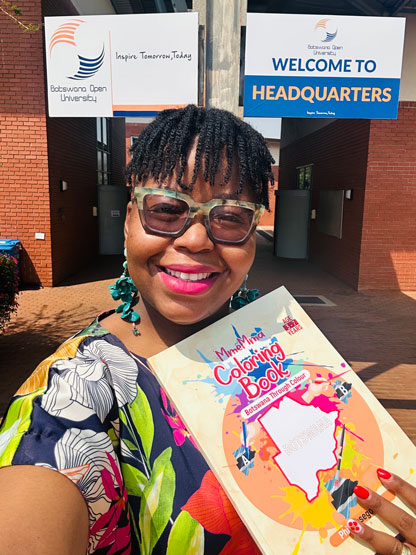
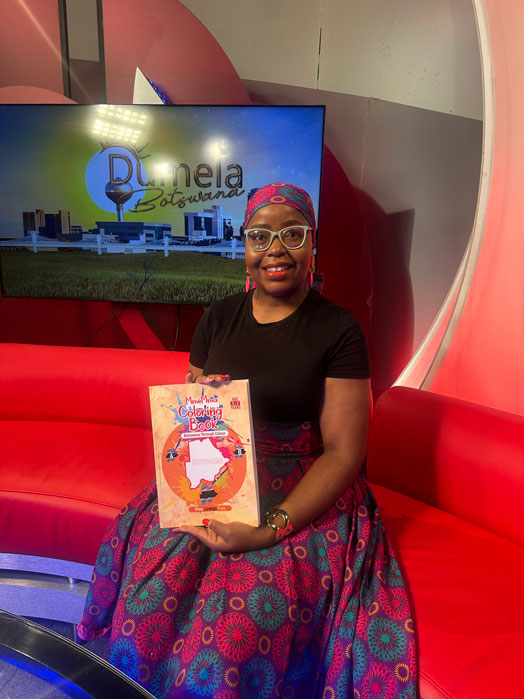
BOU Student Turns Classroom Knowledge into Botswana Heritage Resource
13 October 2026
Gaborone – A Botswana Open University (BOU) student is demonstrating how academic knowledge can be transformed into practical resources that respond to real educational and community needs.
Mrs Phio Lesego Pule, a Year Four, Semester One student pursuing a Bachelor of Education in Early Childhood Education, has developed a 101-page Botswana Culture and Heritage Coloring Book aimed at introducing young children to Botswana’s culture, heritage, crafts and other elements of national identity.
Designed for children aged three to seven years, the coloring book reflects the practical application of knowledge gained through Pule’s studies and her appreciation of play-based, creative and culturally relevant learning.
For Botswana Open University, Pule’s initiative represents more than the work of an individual student. It provides a glimpse into the kind of creativity, innovation and practical thinking that the University seeks to nurture among its students as they prepare to contribute meaningfully to society.
Pule says her studies in Early Childhood Education helped her develop a deeper appreciation of the role of creative and culturally relevant learning experiences in the development of young children. This inspired her to create a resource that could bring elements of Botswana’s identity into early childhood learning in a fun and age-appropriate manner.
The coloring book is intended to support children’s creativity, fine-motor development, vocabulary and cultural awareness, while providing parents and Early Childhood Education practitioners with an additional resource that can be incorporated into learning activities.
The project demonstrates how students can move beyond acquiring theoretical knowledge and apply what they learn to develop products and resources with practical value.
Pule’s work also highlights an important dimension of the Botswana Open University student experience, the opportunity to connect academic learning with real-world challenges and community needs.
As an institution focused on accessible and flexible learning, BOU serves students who are developing professionally while pursuing their academic qualifications. The University’s students bring different experiences, ideas and perspectives into their studies, creating opportunities for learning to translate into practical initiatives. Pule’s coloring book is one such example.
Her decision to develop a Botswana-centered educational resource demonstrates how academic learning can inspire students to identify opportunities, develop solutions and contribute to their communities even before completing their qualifications.
The initiative is particularly relevant to Early Childhood Education, where culturally responsive learning resources can help children engage with their own heritage from an early age.
At the heart of Pule’s project is the desire to make learning resources more relevant to Botswana’s children. The coloring book introduces young learners to aspects of Botswana culture and heritage while encouraging creativity and participation.
Pule believes that initiatives such as hers can contribute to increasing the availability and use of Botswana-centered learning resources in early childhood settings.
Her work therefore demonstrates the potential of students to become not only recipients of knowledge, but also creators of knowledge, educational resources and solutions.
For Botswana Open University, the story of Pule and her coloring book offers an opportunity to showcase what can emerge when academic learning is combined with creativity, initiative and a desire to make a difference.
While Pule is still completing her Bachelor of Education in Early Childhood Education, her work already demonstrates qualities expected of graduates entering the education sector: the ability to identify a need, apply knowledge, develop a practical resource and connect learning with the cultural and social context in which it will be used.
Her initiative is also consistent with her own view that BOU provides students with an opportunity to develop academic knowledge while contributing meaningfully to the community.
As BOU continues to develop graduates equipped to participate in Botswana’s socio-economic development, stories such as Pule’s provide a tangible illustration of the possibilities that exist when students are encouraged to turn their learning into action.
The 101-page Botswana Culture and Heritage Coloring Book is therefore not just a coloring book. It is an example of a BOU student taking knowledge from the classroom and transforming it into a resource with potential value for children, parents and educators and a reflection of the creativity and practical potential within the University’s student community.
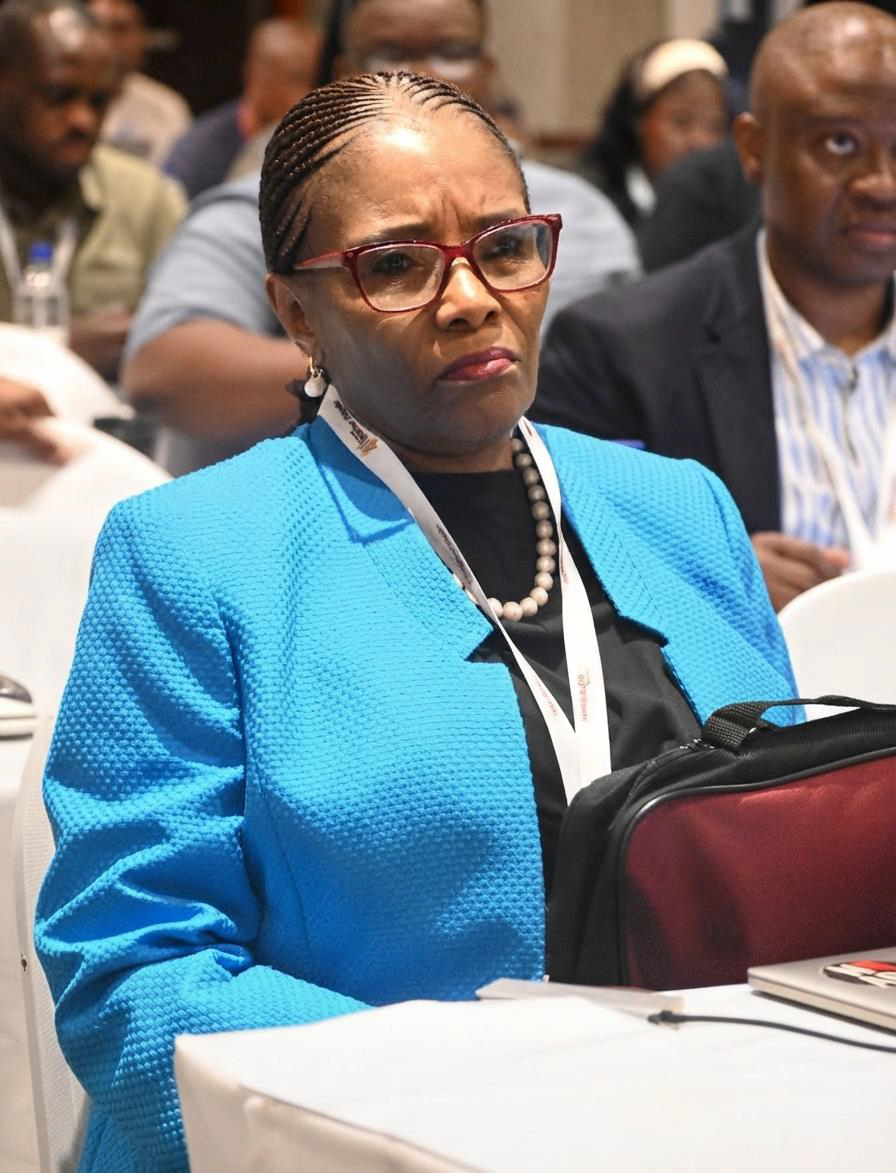
Prof. Kgomotso H. Moahi
Vice Chancellor - Botswana Open University
Vice Chancellor - Botswana Open University
Prof Moahi calls for Quality Assurance to keep pace with AI-Driven Change
10 September 2026
Artificial Intelligence (AI) is reshaping higher education at a pace that demands a fundamental rethink of how universities assure quality, assess students and prepare graduates for an increasingly technology-driven world.
This was the message from Botswana Open University Vice-Chancellor Professor Kgomotso Moahi, who delivered the keynote address at the Higher Education Quality Assurance Forum (HEQAF) Conference hosted by iYunivesithi Walter Sisulu in KuGompo City.
Speaking under the theme of transforming higher education for quality, equity and student success in the era of disruptive technologies and AI, Prof Moahi challenged universities to move beyond reacting to technological change and instead take a proactive approach to how AI is integrated into teaching, learning, assessment and student support.
“The university does not have the preserve anymore of producing knowledge and transmitting knowledge and being the knowledge keeper, if you like. We don't have that anymore because people can go anywhere,” she said.
Prof Moahi also warned that technological advancement could deepen existing inequalities if issues of infrastructure, affordability and access were not deliberately addressed.
“Our traditional Quality Assurance practices are inadequate for this dynamic and data-rich nature of the kind of education that we see unfolding because of the technology,” Prof Moahi said.
She called for quality assurance systems to become more responsive to a changing higher education environment, arguing that institutions needed to anticipate emerging challenges rather than rely solely on conventional compliance measures.
“We do need a QA process that is proactive rather than reactive, that is predictive, and that is real-time, beyond compliance,” she said. In her keynote, under the conference theme” Transforming Higher Education for Quality, Equity, and Student Success in the Era of Disruptive Technologies and Artificial Intelligence” Prof Moahi said the rise of AI had also challenged universities’ traditional position as custodians and transmitters of knowledge.
“But at the end of the day, where are we as human beings? Are we abrogating the responsibility to think and to make decisions to these machines? Surely, we should be there,” Prof Moahi said.
She urged institutions to ensure that graduates were equipped to navigate technological disruption with adaptability, flexibility and critical thinking.
“So, we need to ensure that our students are adaptable, they are critical thinkers, they are flexible, and they recognise that these are, after all, machines,” she said.
“I think it should be higher education and what it seeks to do that should dictate how we deploy the technology,” she added.
By: Yolanda Palezweni